Conversational AI use cases describe how intelligent, adaptive AI systems are applied across customer engagement, guidance, and brand experiences to enable real-time, two-way interaction.
Conversational AI and chatbots differ in that chatbots follow predefined rules, while conversational AI systems understand intent, context, and adapt responses dynamically.Conversational AI is used wherever intelligent, adaptive interaction is required between people and systems. By understanding intent, maintaining context, and responding dynamically, conversational AI enables experiences that go beyond scripted automation.
These use cases illustrate how conversational AI supports engagement, guidance, and participation across digital and physical environments.

Conversational AI enables real-time audience engagement by responding dynamically to user input and behavior. Rather than passive consumption, audiences become active participants in experiences that adapt as interactions unfold.
Common engagement scenarios include interactive video, live polls, contests, and AI concierges that guide users through experiences in real time.
In guidance scenarios, conversational AI helps users navigate complex journeys by understanding intent and providing context-aware assistance. This allows systems to respond appropriately as needs change during an interaction.
Conversational AI is particularly effective when users require multi-step guidance, clarification, or personalized support without rigid conversation flows.
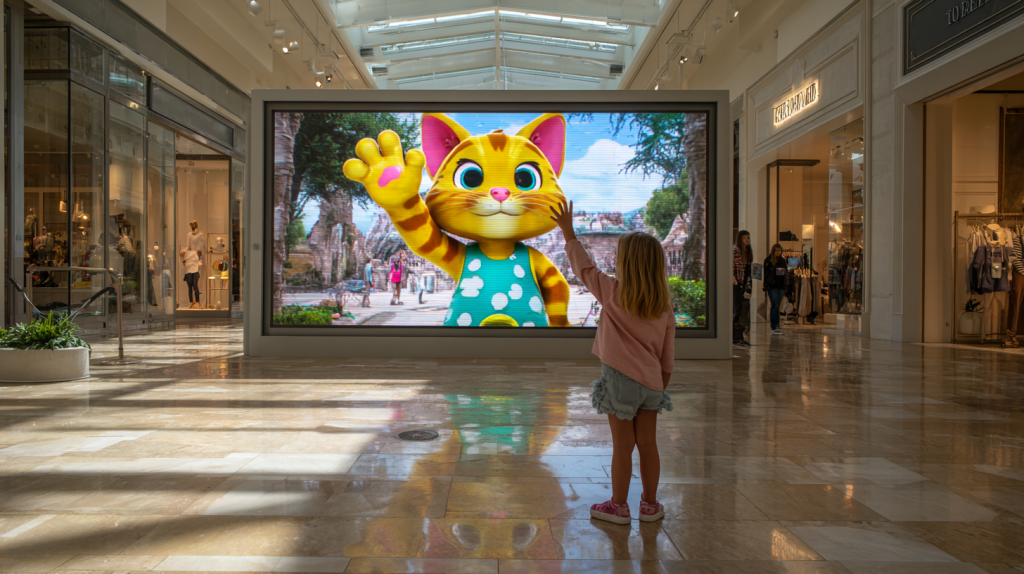
For brand experiences, conversational AI enables immersive, two-way interactions that feel human and responsive. A conversational AI platform for brand engagement allows brands to unify conversational intelligence with interactive video, AI concierges, live contests, and loyalty-driven engagement into a single adaptive system.
This approach transforms static campaigns into evolving experiences that respond to individual users in real time.
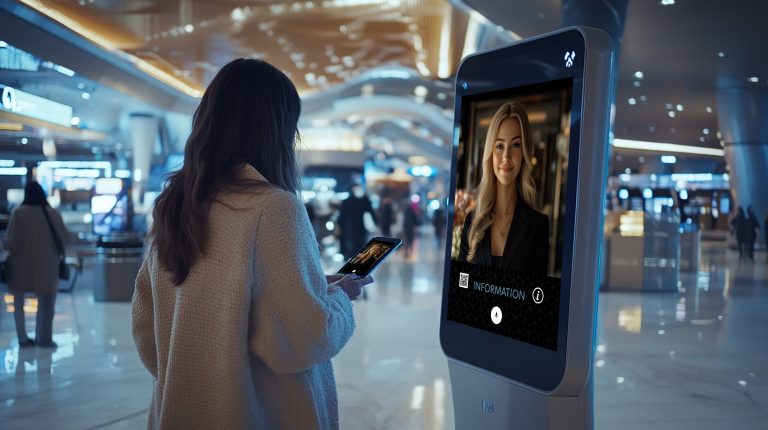
Conversational AI is increasingly used in physical and live environments where context, timing, and responsiveness are critical. These environments require systems that can adapt to location, behavior, and environmental signals.
Use cases include event experiences, retail environments, hospitality settings, and public spaces where conversational AI can guide, inform, and engage people dynamically.
Conversational AI is most effective when interactions require:
Personalization based on intent and behavior
Multi-step conversations with memory and context
Real-time adaptation across channels or environments
Experiences that evolve during engagement
In these scenarios, conversational AI provides capabilities that traditional automation and chatbots cannot.