Conversational AI is artificial intelligence that enables systems to understand and respond to human language in a natural, context-aware way—supporting ongoing, two-way conversations across channels and environments.
Conversational AI refers to artificial intelligence systems designed to engage in natural, two-way interactions with humans. Unlike traditional rule-based chatbots, conversational AI uses natural language understanding, contextual awareness, and adaptive learning to respond intelligently across conversations, channels, and environments.
At its core, conversational AI enables systems to listen, interpret intent, respond dynamically, and improve over time — creating interactions that feel fluid, human, and responsive rather than scripted or transactional.

Conversational AI unlocks a new class of intelligent interactions by allowing systems to adapt in real time to user behavior, context, and intent. Key capabilities include:
Real-time, two-way conversations between brands and audiences
Context-aware responses that adapt to user intent and behavior
Integration across voice, text, video, and physical environments
Continuous learning that improves interactions over time
These capabilities allow conversational AI systems to operate across digital and physical touchpoints without fragmenting the experience.
When applied to brand engagement, conversational AI enables companies to create intelligent, interactive experiences that feel human and responsive at scale.
A conversational AI platform for brand engagement allows brands to connect interactive video, AI concierges, live contests, polls, and loyalty-driven engagement into a single adaptive system — transforming passive audiences into active participants.
This approach moves beyond static content and scripted automation, enabling brands to respond dynamically to individual users in real time.
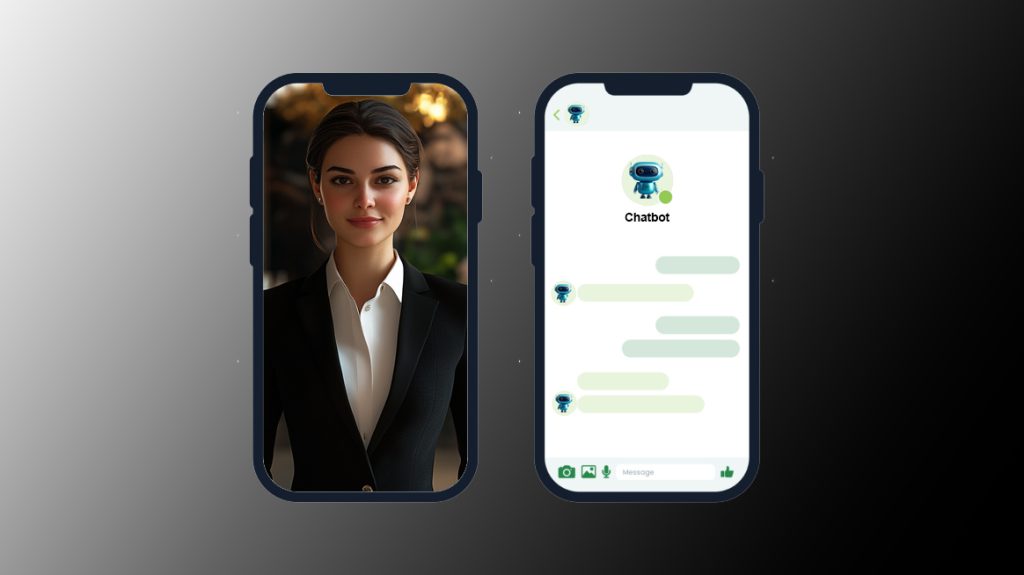
Conversational AI is often confused with chatbots, but the two are fundamentally different.
Traditional chatbots rely on predefined scripts, decision trees, or keyword matching. Conversational AI systems, by contrast, interpret meaning, understand context, and adapt their responses throughout an interaction.
Related: Conversational AI vs Chatbots
Conversational AI systems combine multiple technologies — including natural language processing, machine learning, intent recognition, and contextual modeling — to deliver intelligent, adaptive responses in real time.
Rather than following fixed flows, these systems evolve during interactions, learning from user input and environmental signals.
Conversational AI is used across a wide range of applications, from customer guidance and support to immersive brand experiences and real-world environments.
Use cases span digital interfaces as well as physical spaces where AI can sense, interpret, and respond to human behavior in real time.
Different industries apply conversational AI in different ways — from live events and retail to hospitality, sports, and public spaces.
Industry-specific examples illustrate how conversational AI adapts to context while maintaining a unified intelligence layer.
To fully understand how conversational AI operates in real-world applications, explore these in-depth resources:
Learn more: How Conversational AI Works